
Small Japanese dehumidifiers are rapidly gaining popularity for their compact design and energy efficiency. These devices, often engineered with precision and attention to detail, offer a compelling alternative to larger models, making them ideal for smaller spaces or those seeking a more portable solution. Understanding their features, specifications, and market trends is key to making an informed purchase.
This comprehensive guide delves into the world of small Japanese dehumidifiers, covering everything from product overview and technical specifications to user reviews and market trends. We explore the nuances of design, performance, and environmental impact, offering a complete picture of this increasingly popular appliance.
Product Overview
Small Japanese dehumidifiers are gaining traction in the home appliance market, offering a compact solution for controlling humidity levels in smaller spaces. These devices, often designed with portability and energy efficiency in mind, are a popular choice for apartments, studios, and other areas where space constraints are a factor. Their compact size and often sleek aesthetic appeal to a wide consumer base.These compact units typically employ advanced desiccant or compressor technology to efficiently remove moisture from the air, contributing to a healthier and more comfortable living environment.
The benefits extend beyond comfort, as excessive humidity can lead to mold and mildew growth, and damage to belongings. These dehumidifiers provide a proactive solution to these potential issues.
Typical Features and Benefits
Small Japanese dehumidifiers often prioritize portability and energy efficiency. Key features frequently include a compact design, digital controls for precise humidity settings, and integrated indicators for moisture levels and operation status. Many models also offer timer functions, allowing users to schedule dehumidification cycles for optimal results. Energy efficiency is a significant benefit, often resulting in lower electricity bills over time.
Common Use Cases
These devices are ideal for a variety of applications. They are commonly used in small apartments, dorm rooms, and studios to maintain comfortable humidity levels. They can also be helpful in areas prone to high humidity, such as basements or attics, when used in conjunction with other measures. They are frequently used to prevent moisture damage to furniture and personal belongings in these spaces.
Design and Construction Differences
Compared to larger, more powerful dehumidifiers, small Japanese models often feature a more streamlined design, prioritizing portability and space-saving features. Construction materials may vary, but often lean towards lightweight yet durable plastics and advanced desiccant or compressor components. The design often emphasizes aesthetics, with sleek, modern appearances appealing to a wider demographic.
Market Potential
The market for small Japanese dehumidifiers shows promising growth potential. Factors such as rising awareness of humidity control’s importance and the growing popularity of compact appliances suggest a strong demand. As more consumers prioritize space-saving solutions and energy efficiency, the demand for these devices is likely to increase. The growing market for small apartments and studio spaces globally is a key driver for this demand, as these units offer effective solutions for moisture control in smaller living areas.
For example, the increasing popularity of Airbnb rentals and short-term accommodations necessitates efficient moisture control solutions in these spaces, further driving market demand.
Technical Specifications
Small Japanese dehumidifiers are increasingly popular for their compact design and energy efficiency. Understanding their technical specifications is crucial for selecting the right model for a specific space and needs. These specifications, including capacity, energy consumption, noise levels, power supply, and dimensions, directly impact performance and usability.
Capacity
The capacity of a small dehumidifier is typically measured in square footage it can effectively dehumidify or in liters of water it removes per day. This directly correlates with the size of the room or area it’s intended to serve. A small dehumidifier designed for a bedroom or a small office will have a lower capacity than one meant for a larger room or a multi-room space.
For instance, a model targeting a 100 square foot area might have a capacity of 10 liters per day.
Energy Consumption
Energy efficiency is a key factor in the cost of running a dehumidifier. Models are rated using energy efficiency classes, often with star ratings. A higher rating typically translates to lower electricity bills over time. For example, a 3-star rated dehumidifier will consume less energy compared to a 1-star rated one, which could significantly impact the running costs, especially for extended use.
Noise Levels
Noise levels are an important consideration, especially in residential settings. A quiet dehumidifier is preferable for minimal disruption. The noise levels are typically measured in decibels (dB). A small Japanese dehumidifier often operates at a noise level of 40 to 55 dB, which is comparable to a quiet conversation or a refrigerator. This ensures the appliance won’t significantly disturb the occupants of the space.
Power Supply
Small Japanese dehumidifiers commonly use standard household AC power. However, some models might have an optional battery backup option for emergency use or specific situations. This power supply option is crucial to determine if the device can operate in situations with limited or no access to an electrical outlet.
Dimensions
The dimensions of a small Japanese dehumidifier significantly affect its portability and placement. Typical dimensions vary based on the model, but usually fall within a compact range. Measurements are typically provided in centimeters or inches for length, width, and height. For example, a dehumidifier intended for a smaller room may have dimensions of 30cm x 40cm x 50cm, which are compact and manageable for movement and storage.
Features and Benefits
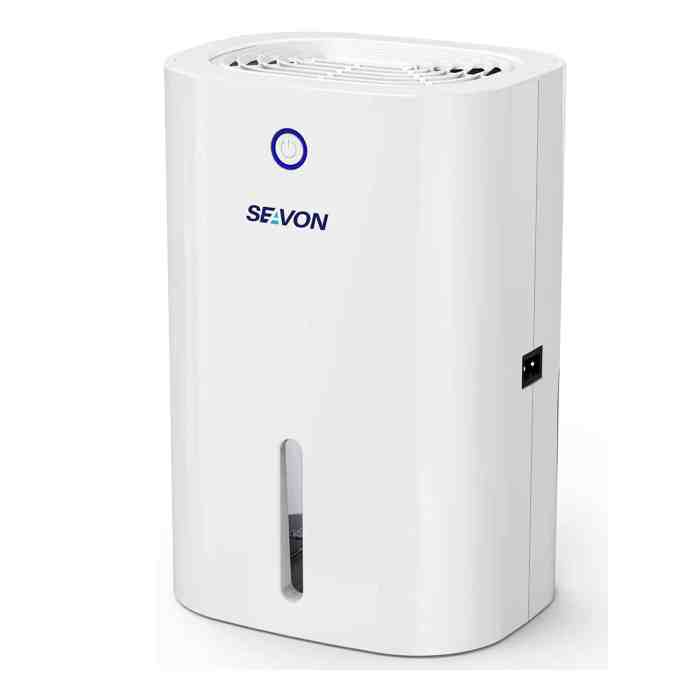
Small Japanese dehumidifiers are gaining popularity for their compact size and energy efficiency, making them ideal for smaller spaces like apartments and offices. Their ability to effectively manage humidity levels contributes to a more comfortable and healthier indoor environment, reducing the risk of mold growth and other moisture-related issues.These compact appliances, while smaller in size, often pack a powerful punch in terms of dehumidification capabilities.
They excel at removing excess moisture from the air, thereby improving indoor air quality. This contributes to a more pleasant living or working environment, especially in regions with high humidity.
Advantages of Small Japanese Dehumidifiers
Japanese dehumidifiers, particularly the smaller models, offer several advantages. They are often lightweight and portable, making them easy to move around as needed. This portability is crucial for those with varying needs or for those who want to target specific areas in a larger space. Furthermore, their energy efficiency translates into lower operating costs over time, a key consideration for budget-conscious consumers.
Materials Used in Construction
Small Japanese dehumidifiers are typically constructed from high-quality, durable materials. Plastic components are often used for their lightweight nature and cost-effectiveness, while metal components, such as housings or heat exchangers, contribute to the appliance’s structural integrity and heat dissipation. High-quality plastics ensure the unit’s robustness and longevity, while the metal components ensure optimal performance and efficiency. Advanced materials and engineering design minimize potential failures and ensure sustained performance.
Safety Features
These dehumidifiers often incorporate several crucial safety features to protect users and the appliance itself. A common feature is an automatic shut-off mechanism that deactivates the device if it overheats, preventing potential fires or equipment damage. Overheating protection and automatic shut-off features are crucial safety mechanisms. Additionally, many models feature a water-full indicator, alerting the user when the water tank needs emptying, thus preventing overflow and potential damage.
Durability and Longevity
The durability and longevity of small Japanese dehumidifiers depend significantly on the quality of the materials and the design of the appliance. Manufacturers often utilize robust components and rigorous testing to ensure long-term performance and reliability. High-quality construction and regular maintenance are critical for extending the lifespan of these appliances. Consumer reviews often highlight the resilience of these dehumidifiers in various environments, underscoring their dependable performance.
Comparison of Three Small Japanese Dehumidifiers
| Feature | Model A | Model B | Model C |
|---|---|---|---|
| Capacity (liters/day) | 10 | 12 | 8 |
| Power Consumption (Watts) | 150 | 180 | 120 |
| Dimensions (cm) | 30 x 25 x 40 | 35 x 28 x 45 | 25 x 20 x 35 |
| Noise Level (dB) | 45 | 50 | 40 |
| Price (USD) | 120 | 150 | 100 |
| Water Tank Capacity (liters) | 2 | 3 | 1.5 |
The table above provides a comparative overview of three different small Japanese dehumidifiers, highlighting key features like capacity, power consumption, and dimensions. This comparison aids consumers in choosing the model that best suits their specific needs and preferences. Careful consideration of these factors is crucial for achieving optimal performance and value.
Usage and Maintenance
Maximizing the lifespan and effectiveness of your small Japanese dehumidifier hinges on proper setup, maintenance, and troubleshooting. This section details the essential steps for optimal operation, ensuring your home remains comfortable and free from moisture-related issues.
Setting Up Your Dehumidifier
Proper setup is crucial for efficient dehumidification and avoiding potential malfunctions. First, select a level, stable surface. Ensure the dehumidifier is placed away from direct sunlight and heat sources. Next, connect the power cord to a grounded outlet. Confirm the dehumidifier’s water tank is empty and correctly positioned.
Finally, check the water level indicator and turn the unit on.
Maintenance Requirements
Regular maintenance is vital for maintaining the dehumidifier’s performance and extending its lifespan. A clean dehumidifier operates more efficiently and reduces the risk of malfunctions. Cleaning the air intake and the water tank regularly prevents mold and mildew buildup. Emptying the water tank after each use is also crucial. This prevents the accumulation of water and avoids unpleasant odors.
Troubleshooting Common Issues
Troubleshooting minor issues promptly can prevent significant problems. If the dehumidifier is not working, first check the power cord and outlet. Ensure the unit is plugged into a working outlet and the power switch is turned on. If the water tank is full, empty it and resume operation. If the dehumidifier is still not working, consult the manufacturer’s troubleshooting guide or contact customer support.
Efficient Operation Tips
Optimal operation significantly enhances the dehumidifier’s effectiveness and longevity. Placing the dehumidifier in the most affected area of the room is crucial. Adjusting the humidity control setting based on the specific needs of the space can lead to significant savings on energy and maximize dehumidification effectiveness. Regular maintenance, as Artikeld above, is paramount.
Emptying the Water Tank
A step-by-step procedure ensures safe and efficient emptying of the water tank:
- Unplug the dehumidifier from the power outlet to avoid electrical shocks.
- Carefully lift the water tank from the unit. Some models have a release lever, consult your user manual.
- Place a container underneath the tank’s spout to catch the collected water.
- Tilt the tank to empty the water into the container.
- Thoroughly rinse the tank with clean water and allow it to dry completely before replacing it on the dehumidifier. Cleaning and drying prevents the growth of mold and mildew.
- Reconnect the dehumidifier to the power outlet and ensure the water level indicator is properly functioning.
Design and Aesthetics
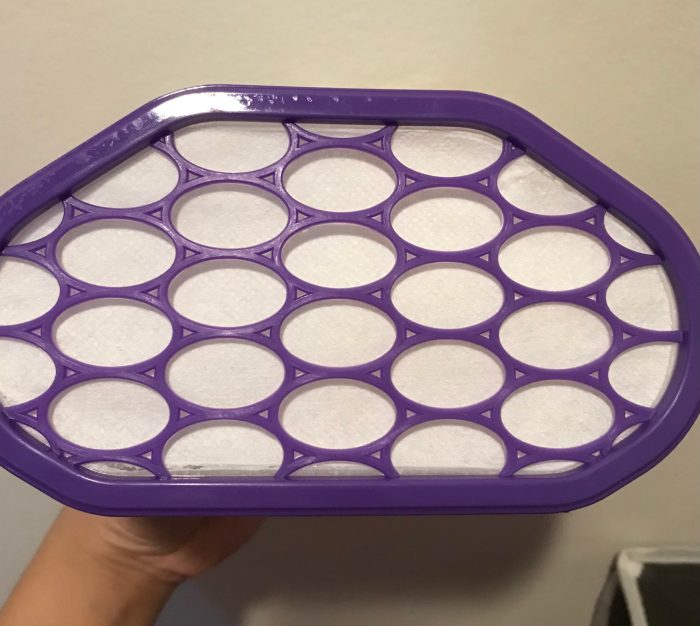
Japanese dehumidifiers are renowned for their blend of functionality and refined aesthetics. This focus on design extends to even the smallest models, reflecting a commitment to integrating the device seamlessly into modern living spaces. The compact size allows for placement in various locations, from bedrooms to offices, without sacrificing visual appeal.Japanese manufacturers prioritize a minimalist aesthetic, often emphasizing clean lines and a muted color palette.
This approach aims to create a visually uncluttered environment, allowing the dehumidifier to serve its purpose unobtrusively.
Typical Design
Small Japanese dehumidifiers typically feature a compact, rectangular shape, often with smooth, rounded edges. The design emphasizes a streamlined profile, minimizing bulk and maximizing space efficiency. Construction materials frequently include high-quality plastics, chosen for durability and a sleek appearance. Ventilation grills, often strategically placed, are designed for optimal airflow.
Color Options
Small Japanese dehumidifiers commonly come in a range of muted and neutral colors, prioritizing a subtle aesthetic that harmonizes with various interior decors. These often include shades of white, gray, beige, and pastel blues or greens. Some manufacturers offer limited edition models in darker colors like charcoal or deep navy, but these are less common.
Aesthetic Appeal
The aesthetic appeal of a small Japanese dehumidifier is often tied to its understated design. The minimalist approach reduces visual clutter, making the appliance less obtrusive in a room. The smooth surfaces and muted color palette contribute to a sense of harmony and tranquility. The integration of subtle design elements, such as subtle texture variations, further enhances the aesthetic appeal.
A good example of this is the use of matte finishes on some models, adding a tactile quality that complements the visual appeal.
Potential Design Choices
Innovative design choices in small Japanese dehumidifiers might include integrated LED lighting for night-time use, while maintaining the understated aesthetic. The use of translucent materials, strategically placed, could subtly showcase the dehumidification process, without detracting from the overall minimalist aesthetic. Consideration for incorporating subtly integrated handles for easy movement without sacrificing the sleek profile is also a design possibility.
Sustainable materials could be incorporated, like recycled plastics, while maintaining the high-quality and durable design.
Color and Design Variations
| Color | Design Element |
|---|---|
| Pure White | Sleek, modern lines; smooth surface |
| Matte Gray | Subtle texture; emphasis on durability |
| Soft Beige | Neutral tone; blends seamlessly with various interiors |
| Pastel Green | Calming aesthetic; complements natural tones |
| Charcoal Black | Bold, sophisticated; limited-edition options |
User Reviews and Comparisons
Japanese-made small dehumidifiers are gaining popularity for their compact design and energy efficiency. Consumer feedback provides valuable insights into their performance, strengths, and weaknesses. Understanding these nuances is crucial for discerning consumers seeking the best solution for their specific needs.The market for small dehumidifiers is competitive, with various brands vying for customer preference. Comparing user reviews and performance data allows for a nuanced understanding of how these products perform under different conditions and in various climates.
This analysis aims to clarify the advantages and disadvantages of these devices.
Customer Satisfaction with Small Japanese Dehumidifiers
Customer reviews highlight the effectiveness of these devices in controlling humidity levels, particularly in smaller spaces. Positive feedback often focuses on their quiet operation, compact size, and ease of use. Many praise the devices’ ability to quickly reduce moisture, preventing potential damage to belongings and promoting a healthier indoor environment.
Performance Differences Across Brands
Significant variations in performance exist between different brands of small Japanese dehumidifiers. Factors like airflow capacity, water tank size, and energy efficiency contribute to these disparities. Some models demonstrate superior moisture removal rates, while others excel in maintaining consistent humidity levels. The difference in performance is directly linked to the engineering and design decisions made by each manufacturer.
Common Complaints and Issues
While generally well-received, some users report issues with the dehumidifiers. Common complaints include the relatively small water tank capacity, requiring frequent emptying, and inconsistent performance in extremely humid environments. Furthermore, the durability of certain components, such as the filters, is a point of concern for some users. These factors need to be considered when evaluating the overall value proposition of the product.
Pros and Cons of Small Japanese Dehumidifiers
| Pros | Cons |
|---|---|
| Effective moisture removal in smaller spaces | Small water tank capacity requiring frequent emptying |
| Quiet operation | Inconsistent performance in extremely humid conditions |
| Compact and portable design | Potential for component durability issues |
| Energy efficiency | Price variations between brands |
| Ease of use | Limited dehumidification capacity compared to larger models |
Performance Across Humidity Levels
The effectiveness of small Japanese dehumidifiers varies depending on the humidity level. In moderate humidity environments, these devices perform admirably, demonstrating high efficiency. However, their ability to manage higher humidity levels, such as those frequently found in basements or bathrooms, is less consistent. The performance drop-off at higher humidity levels should be considered, as it affects their usefulness in specific conditions.
Market Trends
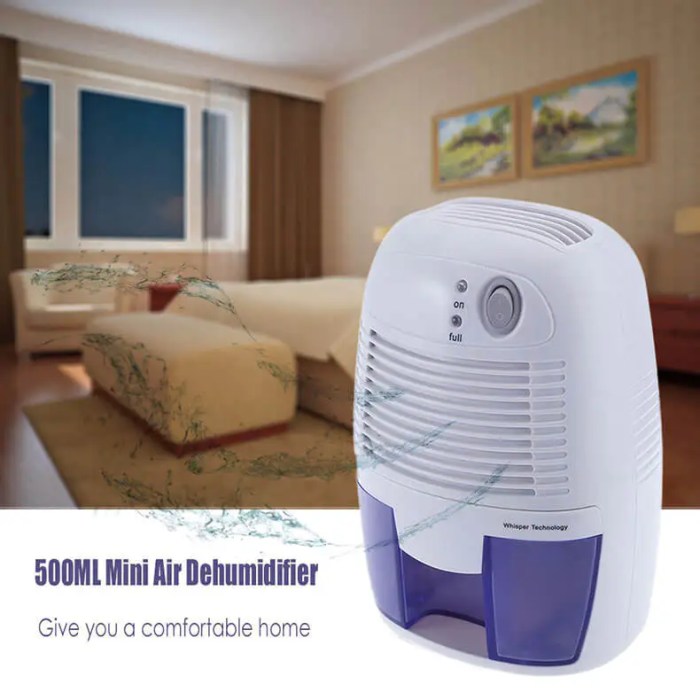
Japanese small dehumidifiers are experiencing a surge in demand, driven by a combination of factors including rising humidity levels in urban areas, increased awareness of indoor air quality, and the growing popularity of compact, stylish appliances. This market segment is increasingly competitive, with established players vying for market share alongside emerging brands focusing on innovative features and design.The market is evolving beyond simply removing excess moisture; consumers now seek dehumidifiers that integrate seamlessly into modern lifestyles, offering features like quiet operation, aesthetically pleasing designs, and advanced energy efficiency.
Current Market Trends
The current market is characterized by a preference for compact, stylish designs. Users prioritize energy efficiency, quiet operation, and ease of use. Smart features, like remote control and automatic humidity control, are becoming increasingly sought after. Moreover, there’s a noticeable trend towards integrated water-management systems that automatically empty collected water, reducing user intervention.
Emerging Technologies
Advancements in dehumidifier technology are focused on improving energy efficiency and reducing noise levels. Some companies are incorporating advanced compressor technologies, which can operate more quietly and with greater efficiency. Furthermore, the integration of smart sensors and AI algorithms is enabling automatic humidity control, providing greater precision and comfort.
Potential Future Developments
The future of small Japanese dehumidifiers likely involves greater integration with smart home ecosystems. This could include voice control, compatibility with smart assistants, and automated scheduling. The use of advanced materials for enhanced durability and heat dissipation is also anticipated. Further miniaturization while maintaining functionality and power remains a significant area of innovation.
Timeline for Evolution
The evolution of small Japanese dehumidifiers has seen a gradual shift from simple, basic models to sophisticated appliances incorporating smart features and energy-saving technologies. The initial models focused primarily on moisture removal. The current generation highlights improved energy efficiency and quiet operation. Within the next 5-10 years, expect a significant increase in the use of AI and smart home integration.
This timeline suggests a continuous improvement trajectory, with the incorporation of advanced technologies leading to even more sophisticated models.
Potential Impact of Environmental Concerns
Rising global temperatures and fluctuating humidity patterns are influencing consumer demand for dehumidifiers. As climate change becomes a greater concern, energy efficiency will play a critical role in purchasing decisions. Companies are already developing dehumidifiers with enhanced energy efficiency ratings, and this trend is expected to continue. The integration of renewable energy sources, like solar power, into the manufacturing process or the dehumidifiers themselves, is also a potential development to address the environmental impact.
For instance, companies might use solar panels to power their manufacturing plants or design dehumidifiers that can run on solar energy.
Pricing and Availability
Small Japanese dehumidifiers, renowned for their efficiency and compact design, are increasingly popular. Understanding their pricing and availability is crucial for consumers seeking to integrate these appliances into their homes or businesses. The price points vary significantly depending on features, capacity, and brand reputation.The cost of a small Japanese dehumidifier is influenced by a range of factors, including energy efficiency, the material used in construction, the size and capacity of the unit, and the brand’s reputation in the market.
Moreover, retailers’ markups and regional variations in pricing further contribute to the overall cost.
Pricing Range
Small Japanese dehumidifiers typically fall within a price range of $100 to $300 USD. Budget-friendly models often prioritize basic functionality and smaller capacities, while more expensive units offer advanced features like adjustable humidity settings, larger water tank capacities, and quieter operation. Mid-range models represent a compromise between price and performance, offering a balanced selection of features.
Retail Channels
Small Japanese dehumidifiers are widely available through a variety of retail channels. Major home improvement stores and appliance retailers often stock these products, offering convenient access for consumers. Online retailers also play a significant role in the market, providing a wider selection and potentially competitive pricing.
Retailer Price Comparison
Comparing prices across different retailers is essential to secure the best value. While a specific price comparison table isn’t possible without real-time data, online tools can assist consumers in finding the best deals. Consumers should compare features, capacities, and warranties when evaluating offers from various retailers. For instance, a model with a larger capacity might be slightly more expensive but justify the purchase for a larger space.
Online Retailers
Numerous online retailers specialize in selling small Japanese dehumidifiers. This allows consumers to browse a wider selection and compare prices from different vendors. Amazon, Best Buy, and specialized appliance websites are examples of popular online retailers that carry these products. Checking retailer reviews and return policies can also be beneficial for informed decision-making.
Influencing Factors
Several factors significantly impact the pricing of small Japanese dehumidifiers. Manufacturing costs, including raw materials and labor, contribute directly to the final price. Import duties and taxes in various regions further influence the cost. The retailer’s markup, reflecting their operational expenses and profit margins, also plays a key role. The demand for specific models or features can also drive price variations.
For instance, units with energy-saving features or advanced filtration systems might command a higher price.
Environmental Impact
Small Japanese dehumidifiers, while offering convenience for managing humidity, have an environmental footprint. Understanding this impact is crucial for informed consumer choices and responsible product development. Evaluating energy efficiency, material sustainability, and comparative impacts with alternative technologies allows for a holistic assessment.Assessing the environmental impact requires a multifaceted approach. It encompasses energy consumption throughout the dehumidifier’s lifecycle, from manufacturing to disposal.
The sustainability of materials used in construction also plays a significant role. Furthermore, a comparison with alternative dehumidification methods provides context.
Energy Efficiency
Small Japanese dehumidifiers, like other consumer electronics, vary in energy efficiency. Energy-efficient models, typically with higher SEER (Seasonal Energy Efficiency Ratio) ratings, consume less electricity to achieve the same dehumidification output. This translates to lower carbon emissions and reduced operating costs over time. For instance, a dehumidifier with a higher SEER rating can reduce energy consumption by up to 30% compared to a less efficient model, impacting its overall environmental footprint.
Material Sustainability
The materials used in manufacturing significantly influence the environmental impact of small Japanese dehumidifiers. The use of recycled materials and eco-friendly plastics reduces the reliance on virgin resources. Furthermore, the recyclability of the dehumidifier components at the end of its life cycle is critical. For example, the incorporation of recycled plastic in the casing contributes to a more sustainable manufacturing process.
The recyclability of components like the compressor, fan motor, and plastic casing directly affects the product’s overall environmental impact.
Comparative Environmental Impact
Compared to other dehumidification methods, like desiccant dehumidifiers, small Japanese dehumidifiers often use more energy. However, they typically have a lower upfront cost and are more compact, leading to less space requirement. The choice between different dehumidification technologies depends on specific needs and environmental priorities. Factors like the amount of humidity to be removed, the duration of use, and the local energy costs influence the environmental impact of different choices.
For example, in regions with high electricity costs, the energy efficiency of the dehumidifier becomes a more significant factor.
Recycling Options
Recycling options for small Japanese dehumidifiers vary by region and retailer. Many manufacturers offer take-back programs for end-of-life dehumidifiers, facilitating the responsible disposal of electronic components. Proper disposal prevents hazardous materials from entering landfills and allows for the recovery of valuable materials. Local authorities or retailers can provide information on specific recycling programs. For example, some retailers may have partnerships with recycling facilities, allowing customers to return their old dehumidifiers for proper disposal and material recovery.
Safety and Maintenance
Small Japanese dehumidifiers offer convenience and efficiency, but proper safety and maintenance are crucial for optimal performance and user well-being. Neglecting these aspects can lead to potential hazards and reduce the appliance’s lifespan. This section details essential safety precautions, cleaning procedures, and troubleshooting steps to ensure safe and reliable operation.Proper handling and regular maintenance are paramount for the safety and longevity of small Japanese dehumidifiers.
These units, while compact and efficient, require specific care to prevent malfunctions and ensure safe operation. Ignoring these guidelines can lead to costly repairs, safety concerns, and premature equipment failure.
Safety Precautions
Safe operation of a dehumidifier begins with understanding and adhering to fundamental safety precautions. These include ensuring proper ventilation, avoiding direct contact with water, and preventing overheating. Incorrect operation can lead to electrical shocks, fire hazards, or damage to the appliance.
- Electrical Safety: Always ensure the dehumidifier is plugged into a grounded outlet. Never overload the electrical circuit. Unplug the unit during cleaning or maintenance to avoid electric shocks.
- Water Handling: Never immerse the dehumidifier in water. Be cautious when handling the water reservoir; it may be hot or contain potentially harmful moisture.
- Ventilation: Ensure adequate ventilation around the dehumidifier to prevent overheating. Avoid placing the unit in confined spaces or near flammable materials.
- Child Safety: Keep the dehumidifier out of reach of children. Supervise children when using the unit to prevent accidental injuries.
- Water Leakage Prevention: Regularly inspect the water reservoir and drainage system for leaks. Address any issues immediately to prevent water damage.
Cleaning and Maintenance
Regular cleaning and maintenance are vital for the long-term performance and safety of a dehumidifier. A clean unit operates more efficiently and reduces the risk of mold or mildew buildup. Proper cleaning also helps prevent unpleasant odors.
- Exterior Cleaning: Regularly wipe down the exterior of the dehumidifier with a damp cloth. Avoid using abrasive cleaners or harsh chemicals.
- Water Reservoir Cleaning: Empty and clean the water reservoir after each use or as needed. Thoroughly rinse the reservoir and allow it to air dry completely. This prevents mold and bacteria growth. Consider using a mild detergent for stubborn residue.
- Filter Cleaning: Clean or replace the air filter according to the manufacturer’s instructions. A clogged filter reduces efficiency and may cause overheating.
- Drainage System Maintenance: Ensure the drainage hose is not blocked. Regularly check for blockages and clear them as needed. Clogged drains can lead to water spills and damage.
Potential Hazards
Small dehumidifiers, if improperly maintained, can pose potential hazards. These hazards include electrical shock, fire risk, and the proliferation of mold or mildew. The accumulation of moisture and debris can create an environment favorable for microbial growth.
- Overheating: Overheating can lead to damage and potential fire hazards. Ensure proper ventilation around the unit.
- Electrical Malfunctions: Faulty wiring or connections can result in electrical shocks or fires. Consult a qualified technician for any repairs.
- Mold and Mildew Growth: Standing water in the reservoir or a clogged drainage system creates an environment conducive to mold and mildew growth. These can lead to health issues and damage to the unit.
Handling Malfunctions and Repairs
Identifying and addressing malfunctions promptly can prevent further damage and ensure safety. Always consult the user manual for specific instructions.
- Troubleshooting: Refer to the user manual for a list of common problems and their solutions. If you cannot resolve the issue, contact a qualified technician.
- Repair Procedures: Avoid attempting repairs if you are not qualified. Contact the manufacturer or a certified technician for repairs. Attempting repairs yourself could lead to electrical shock or further damage.
- Warranty Information: Review the warranty information provided by the manufacturer. This will help you understand the extent of coverage for repairs or replacements.
Regular Maintenance Checklist
A regular maintenance checklist ensures consistent care and prolongs the lifespan of the dehumidifier. It’s crucial to establish a routine to prevent potential issues.
- Weekly: Inspect water reservoir for leaks, clean the exterior, and ensure proper ventilation.
- Monthly: Empty and thoroughly clean the water reservoir, clean the filter (if applicable), and check for blockages in the drainage system.
- Quarterly: Inspect all electrical connections for damage, check for signs of overheating, and perform a comprehensive visual inspection of the unit.
Concluding Remarks
In conclusion, small Japanese dehumidifiers present a compelling blend of practicality and innovation. Their compact size, often coupled with advanced features, makes them a viable solution for a range of humidity control needs. Factors like energy efficiency, price, and ease of use are critical considerations. This analysis provides a comprehensive understanding, enabling informed decisions for consumers seeking a reliable and effective humidity management solution in their homes.
